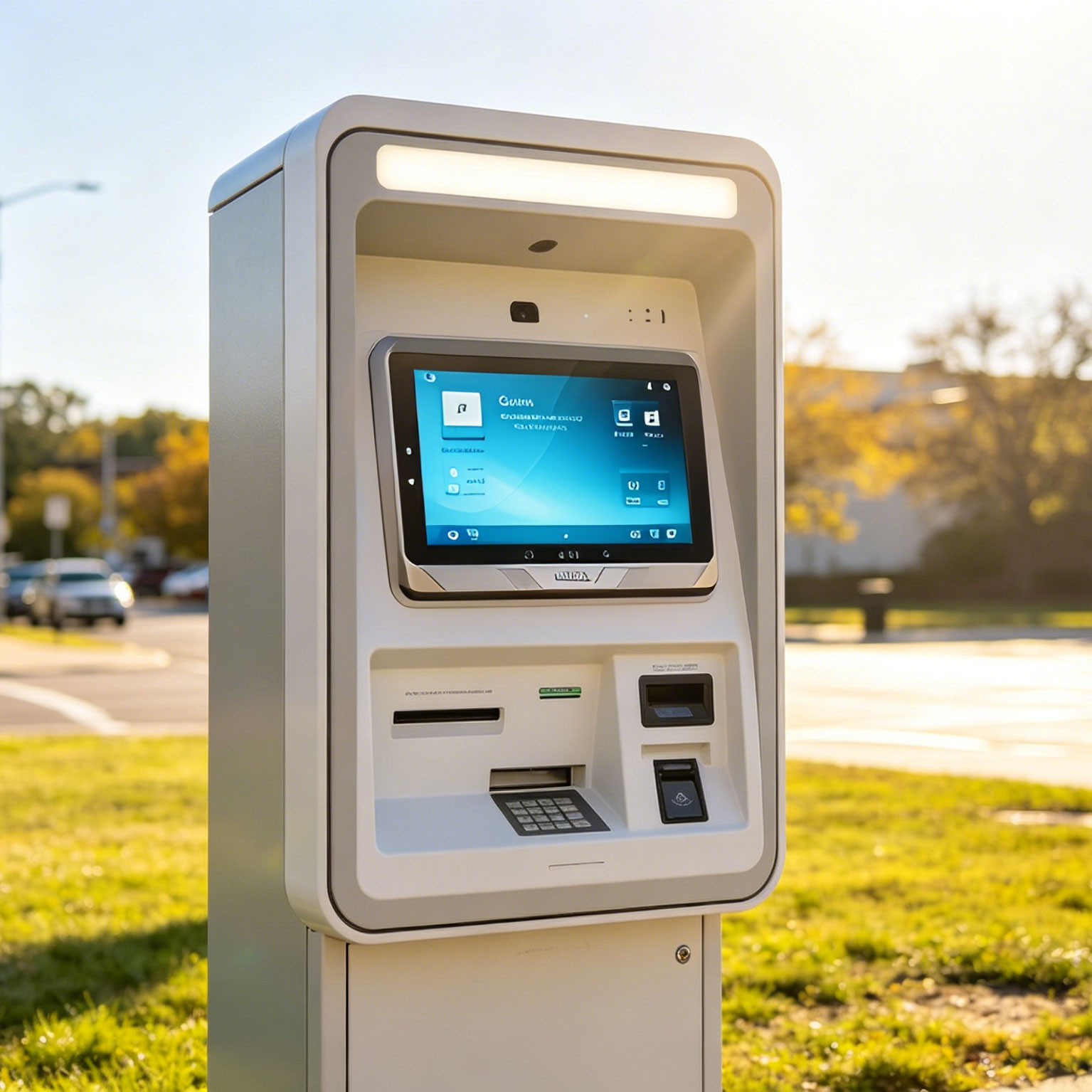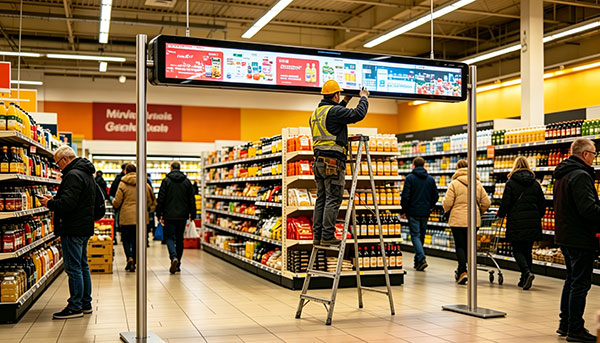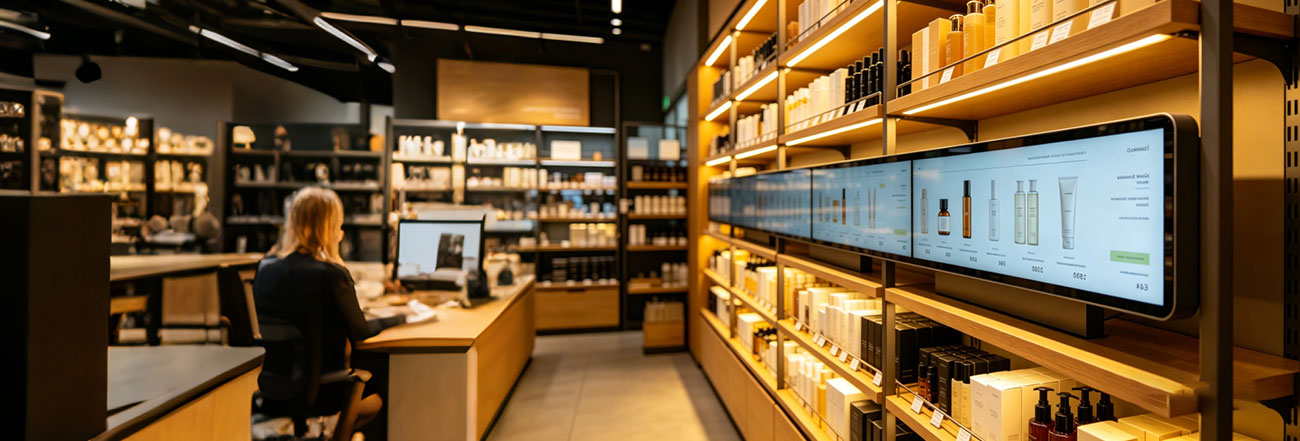

该解决方案专为欧美市场的海外分销商、系统集成商和户外广告机/运输/零售设备制造商而设计。它侧重于采购经理、项目经理和技术负责人的核心关注点,涵盖了高亮度LCD集成技术规范、环境适应性设计、欧美市场合规标准和实施保证的全过程。它确保解决方案专业、可行、合规,完全符合谷歌EEAT(专业性、权威性、准确性、可信度)原则,并为产品选择、项目集成和市场准入提供标准化的技术支持。
一、规划总体原则
1.1解决方案定位
针对欧美户外自助终端的所有场景(户外广告机、交通查询终端、零售自助支付终端、公共引导终端、充电桩终端等),我们提供全链解决方案,用于选择、集成、测试和合规 高亮度液晶显示器 模块。该解决方案解决了户外能见度高、温度稳定性广、防水防尘、防破坏以及符合欧美法规等核心痛点,帮助合作伙伴快速推出产品并在市场上推广。
1.2核心目标
• 光学性能:在阳光下的所有天气条件下都能保持可读性,文本和图像清晰无眩光,适用于欧洲和美国的强室外光环境;
• 环境适应性:满足欧美不同气候地区(寒冷地区、高温地区、沿海地区)的宽温度范围、耐候性和防护要求,全天候稳定运行;
• 合规性:完全符合欧盟和美国的强制性标准和行业认证,确保产品顺利进入欧美市场;
• 可控成本:我们提供模块化设计和标准化集成解决方案,以降低采购、集成和维护成本,增强产品竞争力。
1.3适用范围
该解决方案适用于海外分销商的选择参考,系统集成商的集成和实施,以及户外设备制造商的产品设计和生产。它覆盖了10.1英寸至65英寸的主流户外自助终端,可以根据具体场景(广告、交通、零售)灵活调整参数和设计。
二、核心技术参数(采购/选择的核心参考)
以下参数均符合工业级标准和欧美市场要求,可直接作为采购选择的依据。所有参数均经过权威第三方机构的测试和验证,以确保准确性和可靠性。
2.1光学显示器的核心参数
参数名称 | 标准配置 | 高端配置 | 欧美市场的核心要求 |
亮度 | 1500~3000 cd/m²(阳光直射水平) | ≥3500 cd/m² | 即使在阳光下也能确保清晰的可读性,不会变白或眩光。 |
对比 | 静态≥1500:1,动态≥5000:1 | 静态≥2000:1,动态≥8000:1 | 在强光下,文本和图像的边缘清晰而不模糊。 |
决心 | 1920×1080(英尺/小时) | 32英寸及以上型号支持4K UHD。 | 适应广告、交通信息等高清显示需求 |
视角 | IPS面板,水平/垂直≥170° | IPS面板,水平/垂直≥178° | 从多个角度观看时没有色偏或亮度降低,使其适用于公共场景。 |
光学加工 | AG防眩光(雾度8%~15%)+AR防反射涂层,反射率≤1.5%;OCA全层压;抗紫外线偏振器。 | AG+AR+AF三重涂层;LOCA液体全层压;高耐候性和抗紫外线偏振膜。 | 防反射、防指纹、耐室外紫外线,5年内不会变黄。 |
亮度自适应 | 内置ALS光传感器,0~100%PWM无级调光 | 智能调光+手动微调,支持远程亮度控制 | 平衡可读性和能效,满足ERP/能源之星要求。 |
2.2环境适应性参数(核心室外安全)
参数名称 | 标准要求 | 欧洲和美洲的特殊要求 |
工作温度 | -30℃至+70℃(工业级宽温度范围) | 在北欧,温度≤-30℃需要支持低温供暖;在南欧,温度≥70℃需要增强散热。 |
储存温度 | -40℃~+85℃ | 适应欧美极端气候的运输和储存需求 |
保护级别 | IP65及以上 | 沿海地区需要IP66/IP67等级,提供防尘、防水和防盐雾保护。 |
抗冲击/防暴 | IK08~IK10 | 公共区域的终端需要IK10(承受20J的冲击),以防止砸毁和故意破坏。 |
耐候性 | 抗紫外线、耐盐雾、耐湿热、防霉 | 符合MIL-STD-810H标准,适用于欧美沿海和沙质地区。 |
振动/冲击 | 符合IEC 60068-2-6(振动)和IEC 60068-2-27(冲击)。 | 适用于车辆和室外安装,在运输过程中不会损坏。 |
2.3电气和可靠性参数(降低维护成本)
• 电源:12V/24V DC(工业级),9~36V宽电压范围,支持过压、欠压、反向连接和短路保护,兼容欧美电网标准;
• 功耗:≤180W/㎡ 全亮度时,≤80W/㎡ 自动调光,符合能效标准;
• 寿命:LED背光MTBF≥50000小时,50000小时后亮度衰减≤20%,降低后期维护频率;
• 面板类型:工业级IPS-TFT,A级(无亮点或暗点),耐高温液晶材料,适合长期户外操作。
III、 核心集成技术解决方案(供技术主管/集成商参考)
该解决方案采用模块化设计,具有标准化和可复制的集成流程,降低了集成难度,确保了集成终端的稳定运行,并考虑了后期维护的便利性。
3.1高亮度显示技术解决方案(核心竞争力)
3.1.1高亮度背光系统(核心在阳光下可读)
采用大功率工业级LED芯片(Epistar/Seoul/Nichia品牌,可获得原厂认证),直下式LED条形阵列设计,配备高透射率导光板(LGP)+BEF增亮膜+DBEF反射膜,光输出效率≥85%;配备恒流IC+PWM调光驱动器,电流精度±1%,支持高温降功率保护,避免背光过热损坏,并确保亮度均匀性≤5%。
3.1.2反射抑制和全层压工艺(关键技术)
盖板玻璃由3-6mm钢化玻璃(莫氏硬度7H)制成,具有AG防眩光、AR防反射和AF防指纹的三层涂层,有效地将反射率降低到≤1.5%。采用真空OCA光学胶全贴合工艺,消除面板与盖玻片之间的空气层,完全解决了室外反射问题,同时将显示对比度提高了40%以上。框架采用抗紫外线陶瓷油墨制成,长期户外使用不会褪色或老化。
3.1.3触摸屏集成解决方案(可选,适用于自助交互场景)
采用工业级10点电容式触摸模块,响应时间≤5ms,精度±2mm。它支持戴手套和下雨时的触摸控制,具有很强的抗光干扰和防雾触摸算法。触摸屏采用IK10防爆设计,适用于人们可能触摸或碰撞的户外公共场景。界面采用工业级屏蔽设计,可抵抗电磁干扰,符合欧美EMC标准。
3.2热管理系统(室外稳定运行的关键)
3.2.1散热设计(无源+有源组合)
• 被动散热:背光模块配备铝合金散热背板+石墨散热膜,热阻≤0.5℃/W,可快速传导背光热量;整机采用铝镁合金外壳+散热片,增加散热面积,提高散热效率。
• 主动冷却:内置NTC热敏电阻+工业级PWM调速风扇(寿命≥50000小时),采用“;底部进气和顶部排气”;风道设计,配备IP65防尘过滤器+防水排气阀,不仅保证散热效果,而且防止灰尘和水分进入。
• 保护逻辑:当温度≥65℃时,亮度会自动降低到50%;当温度≥75℃时,背光将关闭;当温度降至安全范围后,它会自动恢复,以防止设备因高温而损坏。
3.2.2低温启动设计(欧美寒冷地区必备)
内置PTC加热膜,当温度≤-10℃时自动开始加热,当温度≥0℃时停止加热。加热功率≤30W,加热时间≤5分钟,确保显示屏在低温环境下能够快速点亮,使其适用于北欧、阿拉斯加、北美等寒冷地区。
3.3结构和防护设计(适用于恶劣的室外环境)
• 整体框架:采用铝合金/不锈钢制造,并经过防腐处理。建议沿海地区使用316不锈钢,以防止盐雾腐蚀。
• 密封工艺:采用激光焊接+道康宁硅橡胶密封胶,确保IP65或更高的防护等级,防止灰尘和水分进入设备。
• 安装结构:配备减振支架和抗风设计,符合欧美ASCE 7风荷载标准,抗风荷载≥120km/h,适用于室外露天安装;
• 维护设计:采用前后维护模块化设计,显示模块可以独立拆卸,无需拆卸整台机器,降低了后期维护的成本和难度。
3.4硬件集成规范(标准化实施)
1. 选择标准:根据终端尺寸和使用场景,选择符合宽温度范围、高亮度、IP65、IK10和全欧美认证要求的显示模块,优先选择欧美市场应用案例成熟的产品;
2. 组装规范:全粘合操作必须在1000级洁净室中进行,以避免气泡和灰尘残留;框架上的涂胶必须均匀连续,无任何缝隙或溢出,固化时间必须≥24小时;
3. 电气连接规格:电源采用工业级直流插座,线径≥18AWG,耐压≥1000V;信号接口(LVDS/EDP/HDMI)使用屏蔽工业级接口,以减少电磁干扰;温度控制模块(NTC、风扇、加热膜)按照规格接线,并独立控制,以确保信号稳定性。
4. 调试规范:集成后,需要光谱仪验证亮度是否符合标准。光强计用于校准ALS传感器的光敏度(±5%)。触摸响应精度在强光、雨天和戴手套时进行测试。
IV、 欧洲和美国市场的合规标准和认证(采购/项目经理的核心关注点)
以下是欧洲和美国市场的强制性标准和认证。所有标准都参考了现行有效的法规,以确保产品能够成功通过市场准入,避免合规风险。所有认证都可以提供权威第三方机构的测试报告。
4.1欧盟市场(CE认证体系,强制性要求)
4.1.1核心强制性说明
• 低压指令(LVD,2014/35/EU):符合标准EN 62368-1(取代EN 60950),要求电气安全、绝缘耐压≥3000V、漏电流合规、防火等级UL94 V-0和热安全合规,以确保电气设备的安全。
• 电磁兼容性指令(EMC,2014/30/EU):符合EN 55032(辐射干扰)、EN 55035(抗扰度)和EN 61000-6-1/6-2标准,要求A级(工业级),无电磁干扰,能够承受强烈的室外电磁环境;
• RoHS 2.0+RoHS 3.0(2011/65/EU+2023/913/EU):限制10种有害物质,包括铅、汞、镉、六价铬、多溴联苯和邻苯二甲酸酯,以确保产品符合环境要求;
• ERP能效指令(EU 2019/2021)要求EEI≤1.10,待机功耗≤0.5W,断电功耗≤0.3W。它还必须具有自动调光功能,并符合欧盟能效要求。
• REACH法规(EC 1907/2006):必须填写高度关注的SVHC物质(≥197项)的声明,每种物质的含量≤0.1%,以避免超过危险物质的限值。
4.1.2行业特定标准(室外终端要求)
• EN 12966:室外交通/信息显示标准,涵盖测试的各个方面,包括光学、环境、安全和EMC,以及公共区域自助终端的强制性要求;
• IEC 62262(IK代码):必须满足IK08~IK10的抗冲击等级,公共场景终端首选IK10;
• IEC 60529(IP代码):防护等级≥IP65,沿海地区要求IP66/IP67;
• ISO 9241-302:显示设备的人机工程学、可见性和舒适性,以改善用户体验。
4.2美国市场(强制性认证+行业标准)
4.2.1核心强制性认证
• FCC认证(FCC第15B部分):电磁兼容性要求,符合A级(商业级),通过辐射/传导干扰测试;具有无线功能的终端需要额外的FCC ID认证;
• UL/ETL安全认证:实施标准UL 60950-1/UL 62368-1(IT设备安全),涵盖防火、防触电和结构安全等要求。这是在北美市场上市的必要证明。
4.2.2行业和环境标准
• 能源之星:一项商用显示器能效标准,强制北美政府采购项目,要求符合相应规模的能效标准;
• 加利福尼亚州65号提案(RoHS):限制有害物质的使用,并要求在加利福尼亚州市场进行合规声明;
• MIL-STD-810H:美国军用环境测试标准,涵盖温度、湿度、盐雾、振动等测试。高端户外项目(如交通和军事支援)通常需要符合此标准。
4.3欧美常用国际标准(统一合规基础)
• IEC 60068: Environmental testing standard, covering all tests including temperature cycling, damp heat, vibration, and shock, is the environmental reliability standard commonly used in the European and American markets;
• ISO 9241: Ergonomics and visibility standards for display devices to ensure user comfort.
• ANSI/UL 94: Material fire resistance rating standard. All materials used in the machine must meet the V-0 rating to eliminate the risk of fire.
V. Testing and Verification Plan (to ensure product reliability and compliance)
All tests are conducted in accordance with European and American standards, and test reports from authoritative third-party organizations can be provided to ensure that products meet technical parameters and compliance requirements, providing a basis for procurement and project acceptance.
5.1 Optical Performance Testing
• Test equipment: Spectroradiometer (CS-2000), integrating sphere, gloss meter, multi-angle colorimeter;
• Test items: brightness, contrast, brightness uniformity, reflectivity, glare, and viewing angle;
• Acceptable standards: brightness ≥1500 cd/m², reflectivity ≤1.5%, no significant attenuation at a 170° viewing angle, and brightness uniformity ≤5%.
5.2 Environmental Reliability Testing
• Temperature cycling test: -30℃~70℃, 100 cycles. After the test, the equipment functions normally and there is no visible damage.
• Damp heat test: 60℃/95%RH, 500 hours, no condensation or corrosion on the equipment, and normal function;
• Salt spray test: 5% NaCl, 35℃, 168 hours (336 hours in coastal areas), IP seal intact, no corrosion;
• Vibration/shock test: Performed in accordance with IEC 60068 standard, with no damage during transportation and installation, and functions normally;
• IP protection testing: IP65 water spray test and dust test, with no dust or moisture entering the equipment;
• IK impact resistance test: IK 10 level (20J) impact, the equipment was undamaged and functioned normally.
5.3 Safety and EMC Testing
• EU: Testing is conducted by EU Notified Bodies (NBs), and CE certificates are issued (covering LVD, EMC, RoHS, and ERP).
• United States: Testing is conducted by FCC-accredited laboratories and UL-certified laboratories, and FCC and UL/ETL certification certificates are issued.
VI. Key Design Considerations for Differentiation in the European and American Markets (Reference for Distributors/Manufacturers)
By taking into account the differences in climate, regulations, and scenarios in the EU and North American markets, we have optimized design details to enhance product adaptability and market competitiveness.
6.1 Differentiation Design for the EU Market
• Energy efficiency requirements: Strictly comply with ERP instructions, must have automatic dimming function, control standby power consumption and power consumption when powered off, and ensure EEI meets the standards;
• Environmental requirements: Fully compliant with RoHS 3.0 and REACH SVHC, providing a complete compliance declaration and test report;
• Safety requirements: Terminals in public areas must meet the IK10 explosion-proof rating and comply with EN 12966 standards;
• Climate adaptability: The design enhances low-temperature heating in the Nordic region and high-temperature heat dissipation in the Southern European region to adapt to different climate environments.
6.2 Differentiation Design for the North American Market
• Certification requirements: Priority should be given to UL/ETL and FCC Class A certifications; high-end projects must meet Energy Star energy efficiency standards.
• Environmental adaptability: Enhanced salt spray protection (IP66/IP67) in California, enhanced sandstorm protection in the Midwest, and enhanced low-temperature heating in Alaska;
• Structural design: Complies with US ASCE 7 wind load standard, with wind load resistance ≥120km/h, suitable for extreme weather such as hurricanes and blizzards;
• Power grid compatibility: Wide voltage design (9~36V), compatible with North American power grid standards, and equipped with comprehensive electrical protection functions.
VII. Troubleshooting and Maintenance Guide (For Technical Manager/Integrator Reference)
It provides standardized troubleshooting processes and preventative maintenance solutions to reduce later maintenance costs and extend the lifespan of terminals.
7.1 Troubleshooting Common Faults (Quickly Locating Problems)
Fault phenomenon | Possible reasons | Troubleshooting and Solutions |
Insufficient brightness, not visible in sunlight | Backlight attenuation, light sensor malfunction, high temperature triggering brightness reduction | 1. Use a luminance meter to measure the backlight brightness. If the brightness is severely reduced, replace the LED strip. 2. Calibrate the ALS sensor and check the wiring. 3. Check the equipment temperature, clean the heat dissipation filter, and restore normal heat dissipation. |
Touchscreen malfunction or inaccurate response | Moisture ingress, strong light interference, touch sensor malfunction | 1. Check the equipment's sealing condition and replace the sealant; 2. Optimize the touch algorithm and shield against strong light interference; 3. Test the touch sensor and replace it if necessary. |
The equipment frequently enters high-temperature protection mode. | Clogged heat dissipation filter, fan malfunction, obstructed airflow | 1. Clean the heat dissipation filter; 2. Check the fan operation status and replace any faulty fans; 3. Check the air ducts to ensure smooth ventilation. |
Unable to start in low temperature environment | PTC heating film failure, temperature control circuit malfunction | 1. Inspect the heating film and replace any faulty components; 2. Check the wiring and control logic of the temperature control circuit and repair any malfunctions. |
7.2 Preventive Maintenance Plan
• Every 3 months: Clean the heat dissipation filter, check if the sealant is aging, and calibrate the display brightness with a brightness meter;
• Every year: retest optical performance, verify temperature control system, and conduct IP protection testing to ensure that all equipment performance standards are met;
• Every 2 years: Check the LED backlight decay and replace the LED strips if necessary; check the touch module response accuracy and optimize the algorithm.
VIII. Advantages of the Solution and Cooperation Guarantees
8.1 Core Advantages of the Solution
• Compliance Guarantee: Fully compliant with mandatory standards and certifications in the European and American markets, providing complete test reports to mitigate market access risks;
• Technically reliable: It adopts industrial-grade components and mature integration solutions, undergoes rigorous testing, and operates stably 24/7 with an MTBF of ≥50,000 hours;
• Cost controllable: Modular design and standardized integration process reduce procurement, integration and maintenance costs, and improve product cost-effectiveness;
• Scene adaptation: Parameters and designs can be flexibly adjusted according to different scenarios such as advertising, transportation, and retail to adapt to the differentiated needs of Europe and the United States.
8.2 Cooperation Guarantee
• Technical support: Providing distributors, integrators, and manufacturers with one-on-one technical consultation, integration guidance, and troubleshooting services;
• Certification Support: We provide complete European and American certification reports and compliance declarations to assist products in passing market access audits;
• Supply guarantee: A stable supply chain system ensures timely delivery of display modules and accessories, and supports bulk purchasing;
• After-sales support: We provide comprehensive after-sales maintenance services, respond quickly to troubleshooting needs, and reduce cooperation risks.
IX. Summary of the Plan
This solution focuses on outdoor self-service terminal scenarios in Europe and America, providing end-to-end technical support from selection, design, integration, testing to compliance certification, centered around the integration of high brightness LCD displays. It perfectly aligns with the core needs of overseas distributors, system integrators, equipment manufacturers, and their purchasing managers, project managers, and technical leads. The solution strictly adheres to the Google EEAT principle, with all technical parameters, standards, and testing methods referencing authoritative standards such as IEC, EN, FCC, and UL to ensure professionalism, accuracy, and reliability. Through modular design, differentiated adaptation, and comprehensive cooperation guarantees, it helps partners reduce project risks, control costs, and quickly launch outdoor self-service terminal products that meet the needs of the European and American markets, thereby enhancing their market competitiveness.
Appendix: Core Reference Materials
• EN 62368-1 Safety requirements for audio-visual, information technology and communication technology equipment
• FCC Part 15B Electromagnetic Compatibility Requirements
• IEC 60068 Environmental testing – Part 2: Test methods
• RoHS 3.0 (2023/913/EU) Restriction of Hazardous Substances Directive
• EN 12966 - Outdoor Information Display Screen Standard