条形显示器解析:从核心技术到明智的购买决策
如果你最近探索过数字标牌、零售显示系统、交通屏幕或嵌入式显示解决方案,你很可能遇到过这个词 拉伸条形显示器 不止一次。
但它到底是什么?
它与标准显示器有何不同?
更重要的是,在为现实世界的项目选择一个项目时,你实际上应该关注什么?
本指南从三个基本角度对主题进行了细分:
技术基础
应用场景
实用采购逻辑
到最后,您将对拉伸条LCD显示器的工作原理有一个清晰而结构化的理解,以及如何在不犯代价高昂的错误的情况下选择合适的显示器。
1.什么是拉伸条形显示器?
A. 拉伸条形显示器 --也称为a 条形液晶显示器, 超宽显示屏,或 条形显示器 --是一种形状独特的LCD屏幕,设计有极其宽的纵横比。
与传统的16:9显示器不同,这些屏幕被有意地水平拉伸,同时保持细长的垂直轮廓。
其结果是一种长而窄的显示格式,非常适合空间有限但视觉交流仍然至关重要的环境。
典型应用包括:
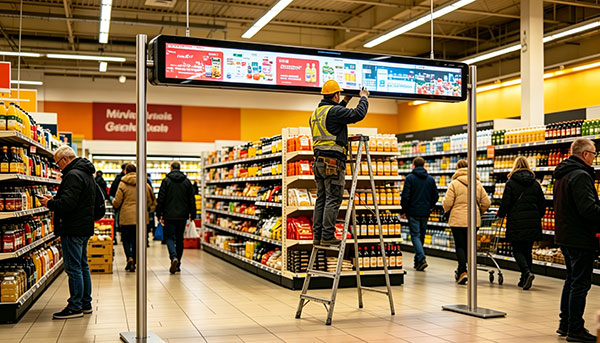
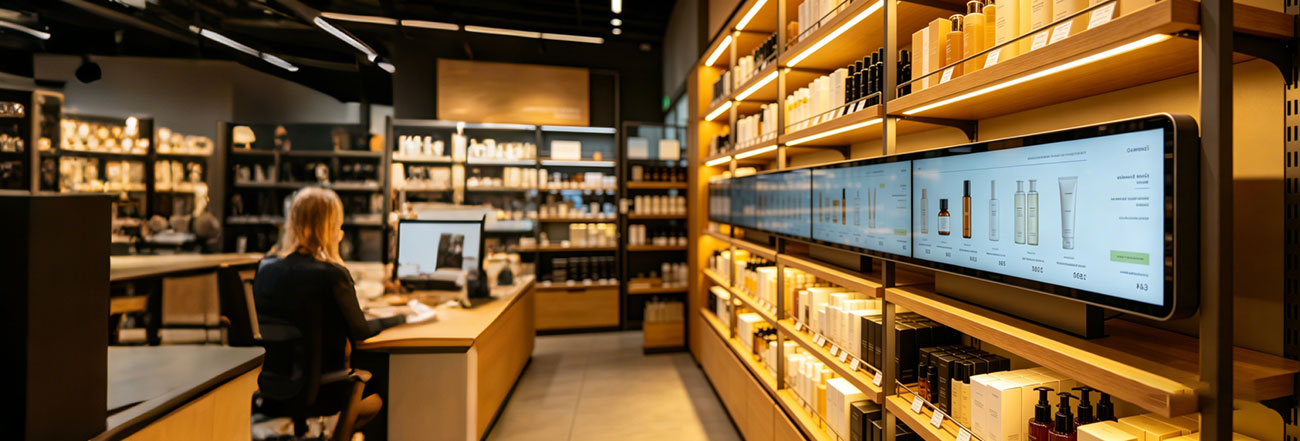
零售货架边缘标牌
交通信息系统
汽车仪表板
智能家电
工业设备
数字广告展示
理解它的最简单方法
想象一下,拿一个传统的宽屏显示器,在保持水平长度不变的情况下,修剪掉它的大部分高度。
这个细长的视觉条基本上就是拉伸条形显示器的样子。
2.拉伸条形显示器是如何制造的?
要了解的最重要的事情之一是:
大多数拉伸条形液晶显示器 不是用全新的定制母玻璃制造的.
相反,它们通常由以下人员生产:
从标准TFT LCD母面板开始
使用精密切割技术
将显示器重新配置为超宽格式
这种制造方法有两个主要优点:
成本效益
与开发全新的面板架构相比,使用现有的LCD生产基础设施显著降低了制造成本。
高灵活性
制造商可以从同一基板平台创建多种非传统尺寸和纵横比。
这就是为什么拉伸显示器有这么多不同寻常的尺寸的原因之一。
3.你必须了解的五个最重要的规范
3.1宽高比——拉伸显示器的核心特性
拉伸显示器的定义特征是 超宽纵横比.
常见格式包括:
21:9
32:9
48:9
16:3
甚至还有更多定制的比例
这些格式对以下情况特别有效:
滚动信息
货架边缘广告
导航系统
交通信息显示
狭窄的安装环境
实用购买逻辑
总是从 物理安装空间 第一。
测量:
可用宽度
可用高度
查看方向
然后将屏幕比例与安装限制相匹配,而不是相反。
3.2亮度(尼特)——决定屏幕是否真正可见
亮度是商业显示项目中最被低估的规格之一。
一般亮度指南
| 环境 | 推荐亮度 |
|---|---|
| 室内零售货架 | 400-500尼特 |
| 明亮的室内店面 | 700-1000尼特 |
| 半室外环境 | 1000-1500cd/m² |
| 阳光直射户外使用 | 1500+尼特 |
一些商业拉伸显示器现在已经达到 2500cd/m²,但更高的亮度也会带来:
功耗增加
更高的热输出
更苛刻的冷却要求
成本更高
关键原则
亮度越高并不总是越好。
对于室内应用,过高的亮度通常会浪费预算,同时不必要地增加热量的产生。
3.3工作温度——隐藏的可靠性因素
在商业和工业环境中,温度性能变得至关重要。
许多工业级拉伸显示器支持以下操作范围:
-30°C至+85°C
这对以下方面尤其重要:
户外售货亭
交通系统
车辆集成
封闭式金属柜
通风不良的装置
忽视热要求是显示器过早失效的最常见原因之一。
3.4 IPS与TN面板——视角改变一切
现代拉伸显示器越来越多地使用 IPS技术 由于其优越性:
视角
色彩一致性
对比性能
典型的IPS视角达到:
178°水平×178°垂直
这对于观众从侧面接近的环境至关重要,包括:
地铁站台
零售通道
公共走廊
机场
如果要从多个方向查看显示器,IPS不是可选的,而是必要的。
3.5全天候运营支持——商业级与工业级
许多买家认为所有商业显示器都是为连续运行而设计的。
他们不是。
商业展示
通常设计用于:
每天使用8-12小时
工业显示器
设计用于:
24/7连续运行
增强的热管理
背光寿命更长
更高的主板可靠性
在连续操作环境中使用消费级或标准商用显示器通常会导致:
背光劣化
过热
主板故障
寿命缩短
4.拉伸条形显示器在哪里使用?
零售货架边缘显示器
这是目前最大的应用市场之一。
由于货架边缘提供的垂直空间有限,传统的展示方式往往会遮挡产品或扰乱商店布局。
拉伸显示屏通过提供以下功能完美地解决了这一问题:
定价信息
促销
产品视频
动态广告
同时保持产品的可见性。
基于云的CMS系统还允许跨多个商店进行集中内容更新。
运输系统
Transportation is another major market segment.
Applications include:
Train route displays
Bus information systems
Airport advertising
Taxi-top displays
Station guidance systems
These projects require:
Vibration resistance
Wide temperature tolerance
Industrial reliability
High IP protection ratings
In transportation projects, certifications such as EN50155 often become critical.
Automotive Dashboards
Modern vehicles increasingly use stretched LCDs inside digital cockpits.
Their elongated format is ideal for displaying:
Speed information
Navigation
Media systems
Vehicle diagnostics
while maximizing dashboard design efficiency.
Smart Appliances
Premium home appliances increasingly integrate slim bar displays for:
Temperature control
Status indication
Recipe guidance
Smart home interaction
Examples include:
Refrigerators
Coffee machines
Ovens
Washing systems
Industrial & Medical Equipment
Industrial HMI systems and medical devices often require compact but highly readable displays.
典型应用包括:
Medical analyzers
Elevator systems
Industrial control panels
Vending machines
Automation systems
In these sectors, long-term product availability and reliability become extremely important.
Many industrial buyers require:
3–5 year supply guarantees
Industrial certifications
Stable panel sourcing
5. A Practical Five-Step Buying Framework
Many buyers start by comparing prices.
That is usually the wrong approach.
Here is a far more effective decision-making framework.
Step 1 — Define the Installation Environment
Always begin with:
Mounting location
Physical dimensions
Ambient lighting
Ventilation conditions
This determines almost every major specification afterward.
Step 2 — Define Viewing Distance & Content Type
Viewing distance directly affects resolution requirements.
Example
For close-range retail shelf displays:
Higher pixel density becomes critical
Text readability matters significantly
For distant transportation displays:
Moderate resolution may already be sufficient
Also consider:
Scrolling speed
Font size
Content complexity
Step 3 — Determine Real Brightness Requirements
Measure actual ambient lighting conditions whenever possible.
A practical rule:
Choose brightness levels roughly 20–30% higher than the minimum required environment.
This creates operational safety margins for changing lighting conditions.
Step 4 — Confirm Content Management Requirements
Modern stretched displays often support:
Android-based systems
Cloud CMS platforms
USB playback
LAN/Wi-Fi management
Small Deployments
USB or local network management may be sufficient.
Multi-Location Projects
Cloud CMS becomes essential for operational efficiency.
Step 5 — Evaluate Supplier Reliability
A display project is not only about specifications.
Supplier stability matters equally.
Important questions to ask:
Which panel manufacturers are used?
(BOE, AUO, LG Display, Samsung, etc.)Is long-term supply guaranteed?
What warranty is provided?
Are there successful reference projects?
Can the supplier support customization?
Industrial projects should generally require:
Minimum 2-year warranty
Preferably 3 years for mission-critical deployments
6. Technology Trends: The Future of Stretched Bar Displays
The stretched display market continues evolving rapidly.
Future developments will likely include:
Higher Performance Displays
Higher resolution
Greater brightness
Improved contrast
Wider color gamut
Smarter Interaction
Touch integration
Voice control
AI-based interaction
Facial recognition
Energy Efficiency
Lower power consumption
Better thermal efficiency
Sustainable materials
Greater Customization
Demand for highly customized dimensions and form factors continues to increase across industries.
Mini LED & OLED Are Changing the Market
As Mini LED backlights and OLED technologies become more affordable, future stretched displays will likely offer:
Ultra-thin profiles
Better black levels
Wider color reproduction
Lower power consumption
Premium visual quality
This will further expand their use across commercial and industrial sectors.
7. Common Mistakes Buyers Should Avoid
Mistake #1 — “Higher Nits Are Always Better”
Excessive brightness creates:
More heat
More power consumption
Higher cooling costs
Choose brightness based on actual environmental needs.
Mistake #2 — “Any Size Can Be Customized”
Custom sizes are limited by:
Mother glass dimensions
Driver board compatibility
Signal architecture
Always verify technical feasibility with the manufacturer early in the project.
Mistake #3 — “HDMI Means Everything Is Compatible”
Signal compatibility depends on:
Resolution support
Timing configuration
Controller board limitations
Interface standards
Always confirm support for:
高清多媒体接口(High Definition Multimedia Interface)
低压差分信号
电力分配
MIPI
before purchasing.
Mistake #4 — “Commercial Grade Equals Industrial Grade”
Commercial displays and industrial displays are fundamentally different products.
Industrial systems include:
Better thermal design
Longer-life components
Stronger reliability standards
24/7 operational engineering
Mixing the two often causes early system failures.
Final Thoughts
Stretched Bar Displays are no longer niche products.
Driven by growth in:
Digital retail
Smart transportation
Automotive electronics
Industrial automation
the global stretched LCD market continues expanding rapidly.
To simplify everything into three essential principles:
Aspect Ratio Determines Form
Brightness Determines Visibility
Temperature Capability Determines Lifespan
Once you understand these three dimensions clearly, selecting the right stretched display becomes dramatically easier.
If you are currently evaluating a specific project, installation environment, or custom display requirement, feel free to share your application details — including installation space, brightness conditions, and operating hours — and we can help narrow down the most suitable display solution.